 Cow Shelter/Donation

Tulsi Mala: Spiritual Significance, Benefits & Wearing Rules
June 30, 2025
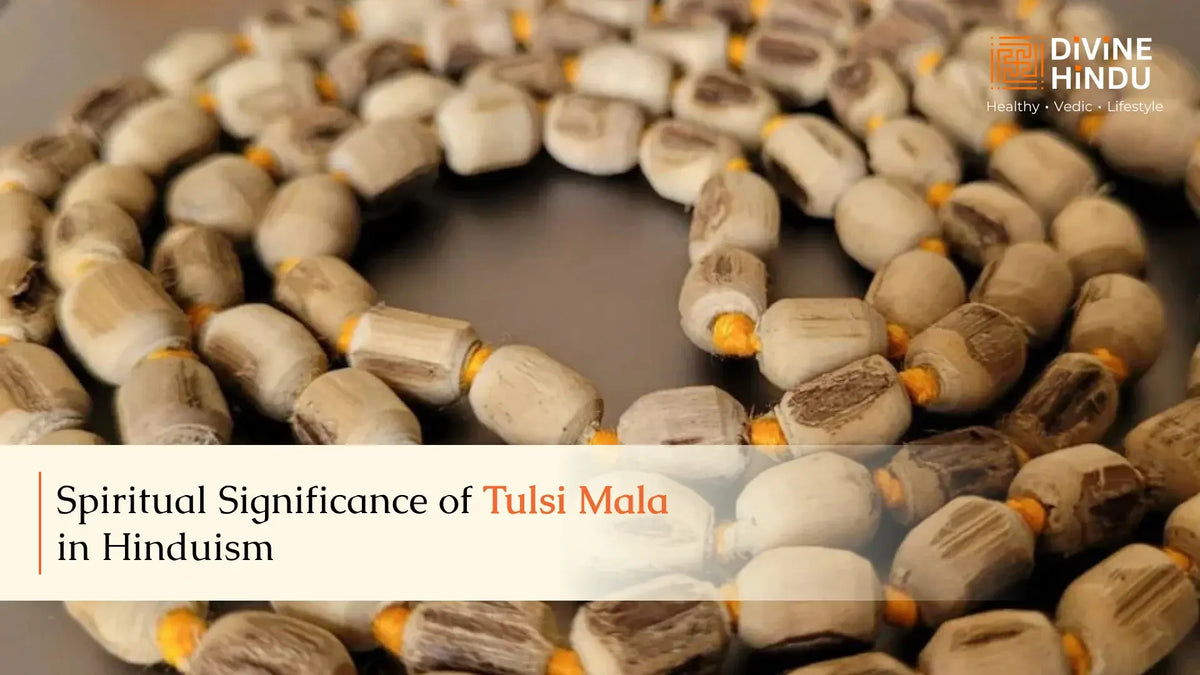
The Tulsi Mala holds deep spiritual significance in Hinduism, especially for devotees of Lord Vishnu and Lord Krishna. Made from the sacred wood of the Holy Basil (Tulsi) plant, this mala is worn for protection, purity and devotion. In this guide we explore the spiritual meaning, benefits, and rules of wearing a Tulsi Mala.
The Divine Hindu App is here.
Chat free with top astrologers for your first 5 minutes every week, generate your Kundli, book temple Puja & Chadhava, and check today's Panchang — all in one app.
What Is Tulsi (Holy Basil)?
Tulsi, or Holy Basil, is a sacred plant in Hinduism and a traditional medicinal herb in Ayurveda. While Tulsi is in the same family as sweet basil, its flavour is much stronger and has more of a clove note. Its medicinal value is one reason it is so appreciated.
Tulsi is sacred as it is a part of Hindu tradition and is usually grown in temples and in the backyards of Hindu homes.
What Is the Significance of Tulsi at Home?
Tulsi has significant spiritual and practical value in Hindu households:
Spiritual Value:
- Tulsi is regarded as the earthly manifestation of Goddess Lakshmi and, in some traditions, Goddess Vrinda.
- The Tulsi plant is believed to purify the home and generate positive energy.
- Daily worship of Tulsi is thought to bring blessings, peace, and protection to the household.
- Many families perform morning and evening prayers (aartis) dedicated to the Tulsi plant.
What Is the Significance of Tulsi Beads?
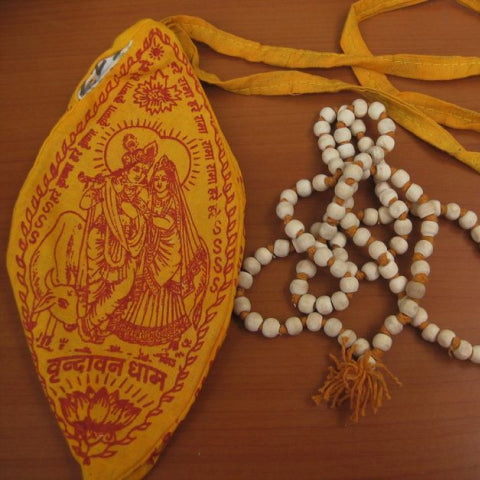
Tulsi beads, made from the sacred wood of the Tulsi plant, have special spiritual importance in Hindu tradition, especially for Vaishnavites. There are several types, including the tulsi mala, tulsi kanthi mala, tulsi japa mala, and Shree Ram Tulsi Mala pendant.
Spiritual Importance:
- Treated as sacred to Lord Vishnu and Krishna and viewed as an important plant.
- It is said that when one wears Tulsi beads, they are protected and blessed by the divine.
Religious Use:
- Typically used to chant mantras, specifically the Hare Krishna mantra and Vishnu mantras.
- Each bead is thought to symbolise one repetition while using the beads for japa.
Cultural Traditions:
- Particularly sacred within ISKCON and Gaudiya Vaishnavism traditions.
- Often given as a holy gift for use in a festival ceremony.
Tulsi Mala Benefits
Tulsi mala has a wide range of benefits on all levels: spiritual, physical, and mental.
Spiritual Benefits:
- Brings spiritual protection and purifies the mind and body.
- Supports spiritual growth and devotion to Lord Krishna.
Mental and Emotional Benefits:
- Increases concentration and creates a calm state of mind suitable for deep meditation.
- Creates peace and calmness in the mind.

Family and Social Benefits:
- Creates a calm, peaceful living environment and encourages a spiritual aura in the family.
- Believed to improve the fortune of married women and bring calmness to relationships.
Karmic and Astrological Benefits:
- It is said to clear bad karma from previous lives, increase good vibrations, and attract good fortune.
- The important part is wearing the mala with true devotion and faith, because the benefits materialise only through sincere spiritual practice.
What Is the Spiritual Significance of Tulsi?
Tulsi has a special spiritual meaning in Hinduism, bridging the physical and spiritual worlds:
Divine Presence:
- The earthly manifestation of Goddess Lakshmi, the consort of Lord Vishnu.
- Also known as Vrinda Devi, the devoted gopi of Lord Krishna.
Sacred Significance:
- Representing bhakti and surrender to God.
- Symbolising the feminine divine who nurtures one on the spiritual path.
Purification:
- Purifies the mind, body, and spirit of devotees.
- Cleanses the environment of negative energy.
- Enhances prayer and mantra chanting.
- An essential herb in most Hindu religious ceremonies and rituals.
Sacred Connection:
- Represents the ideal of devotional love between the devotee and the deity.
- Symbolises the nurturing dimension of divine feminine energy.
What Does Tulsi Represent in Hinduism?
In Hinduism, Tulsi symbolises several important spiritual ideas and divine attributes:
The Divine Feminine Energy:
- Embodies a pure, devoted feminine energy (Shakti).
- Represents the ideal devotee who completely surrenders to the divine.
Sacred Purity:
- Represents spiritual purity and sanctity.
- Represents the purity of mind, body, and soul.
Devotional Ideals:
- Represents unwavering faith, loyalty, and dedication to God.
- Represents selfless seva and sacrifice.
Divine Protection:
- Symbolises the divine shield of spiritual protection against evil forces.
- Represents divine grace that protects the devotee at all times.
Spiritual Transformation:
- Represents the journey from material to spiritual consciousness.
- Represents the transformation of ordinary life into sacred living.
Who Cannot Wear a Tulsi Mala?
According to traditional Hindu and Vaishnavite guidelines, those who eat tamasic food such as onion, garlic, and non-vegetarian food are advised not to wear the Tulsi Mala, as these foods are believed to disturb spiritual practice. Traditionally, initiated devotees wear the mala. However, uninitiated devotees who chant the Maha Mantra, follow the four regulative principles, avoid onion and garlic, and commit to these rules unwaveringly for a definite period (about six weeks) may also wear it.
It is best for those who are not prioritising some level of spiritual purity - especially regarding eating habits around meat, onion, and garlic - to refrain from wearing the sacred Tulsi mala, as it calls for spiritual discipline and a commitment to staying in a pure, protective space.
Rules, Do's and Don'ts for Wearing a Tulsi Mala
Do's:
- Observe the regulative principles of no meat and no gambling.
- Avoid garlic, onion, coffee, and tea.
- Honour only Prasadam.
- Engage in daily chanting of the Hare Krishna mantra.
- Wear it any time you are praying, meditating, or worshipping.
- Once you put on a mala, it should be worn and not removed, as it signifies that you are aligned with the will of Lord Hari.
Don'ts:
- Do not wear it while sleeping or using the toilet.
- Avoid eating meat and any intoxicants.
- Do not casually take it off once you have committed to wearing it.
- Do not wear a mala just as a fashion statement or decoration.
- Do not touch the mala with unclean hands.
- Do not lend or allow others to wear your mala.
Frequently Asked Questions About Tulsi Mala
Can anyone wear a Tulsi Mala?
Anyone with sincere devotion can wear one, but traditionally it is worn by those who follow a sattvic lifestyle - avoiding onion, garlic, meat and intoxicants - and chant regularly.
What is the difference between a Tulsi kanthi mala and a Tulsi japa mala?
A kanthi mala is a thin neck mala worn continuously as a mark of devotion to Vishnu and Krishna, while a japa mala (usually 108 beads) is used for counting mantras during chanting.
How do I care for a Tulsi Mala?
Keep it clean and dry, avoid touching it with unclean hands, and do not wear it while sleeping or bathing. Being wood, it should be kept away from prolonged water and oil.
Conclusion
In Hindu belief, Tulsi (Holy Basil) is a sacred entity, not just a plant. It is revered as a deity, the guardian spirit of the household, and a sacred symbol of devotion. Many devotees worship it daily and wear it as mala beads to receive its spiritual blessings. Tulsi acts as a medium for the divine energy of Lord Vishnu and Goddess Lakshmi. It purifies life, the environment, and the path of spiritual growth towards God-realisation, along with health and harmony.
The power of Tulsi unfolds for the person who keeps it sacred, worships it sincerely, and follows the guiding principles of a disciplined sattvic lifestyle. Ready to begin your devotional journey? Explore our range of authentic Tulsi malas at Divine Hindu.
You May Also Like :
The Spiritual Significance of Mahaprasad and Puri's Ancient Temple Kitchen
How to Balance Chakras Daily : A Beginner's Guide to Energy Healing
Where to Buy Original Karungali Malai Online - Benefits & Guide
What Is The Significance of 108 in Hinduism?
Lord Jagannath's Rath Yatra 2025: A Spiritual Journey of Tradition


