 Cow Shelter / Donation

Rudraksha: Mukhi Beads, Malas, Pendants and Kavach
Rudraksha is the sacred seed associated with Lord Shiva in Hindu tradition. This collection brings together single mukhi beads, 108-bead and 54+1 malas, capped pendants, kavach designs and Rudraksha combined with Karungali or Tulsi.
 Black




 Gold

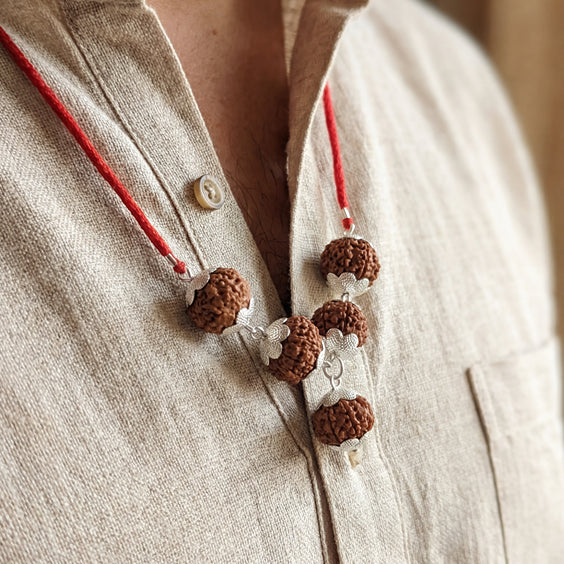
About Rudraksha
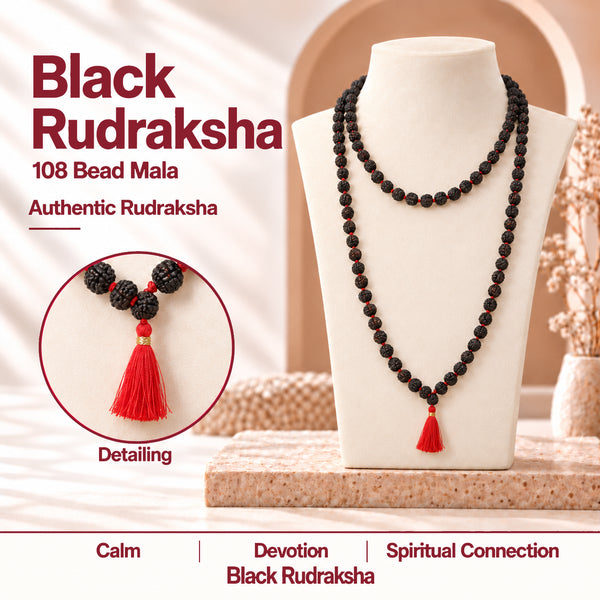
This Rudraksha edit brings together individual mukhi beads and distinctive finished strands, including black 108-bead malas, 54+1 kanthi designs and combinations with Karungali or Tulsi.
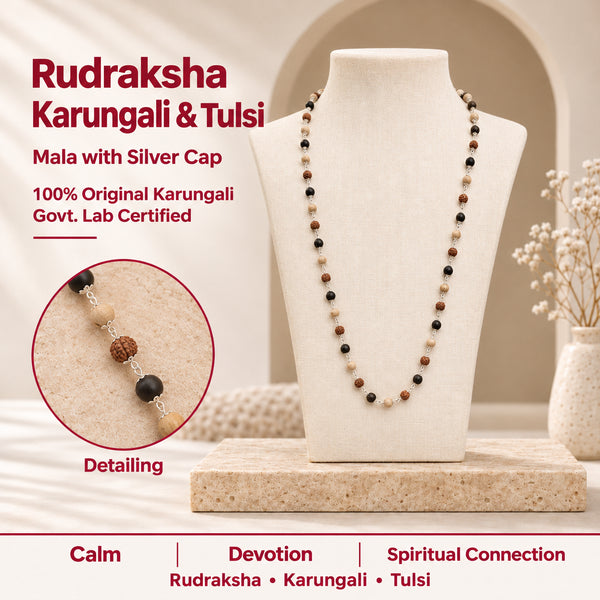
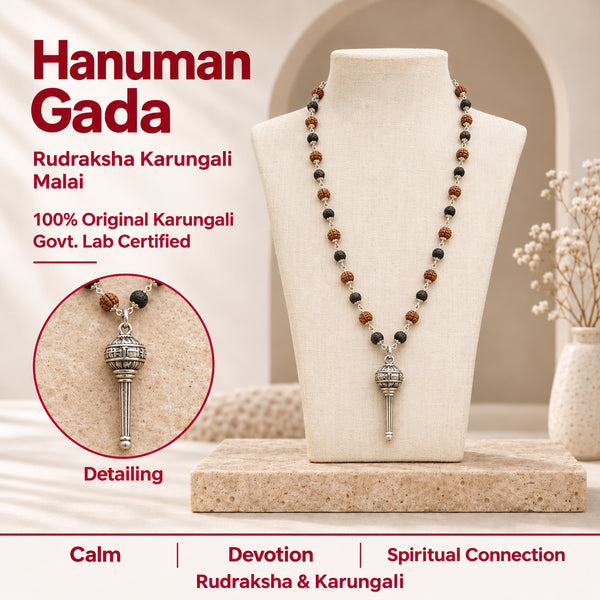
Read all the materials in a mixed mala and check which bead is used for the pendant or centrepiece. The mukhi count, total bead count and cap finish are separate details. Compare them with the product’s dimensions and supporting information before choosing.
Explore the full Rudraksha catalogue.
- Deity
- Lord Shiva
- Formats
- Single beads, 108-bead malas, 54+1 kantha malas, pendants, kavach
- Mukhi named
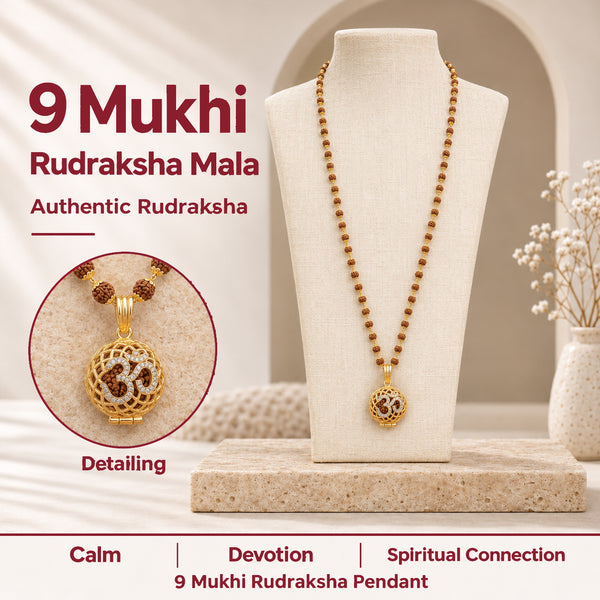
- Nirakar (zero), 1, 5, 7 and 9 Mukhi, Ganesh Mukhi
- Combined with
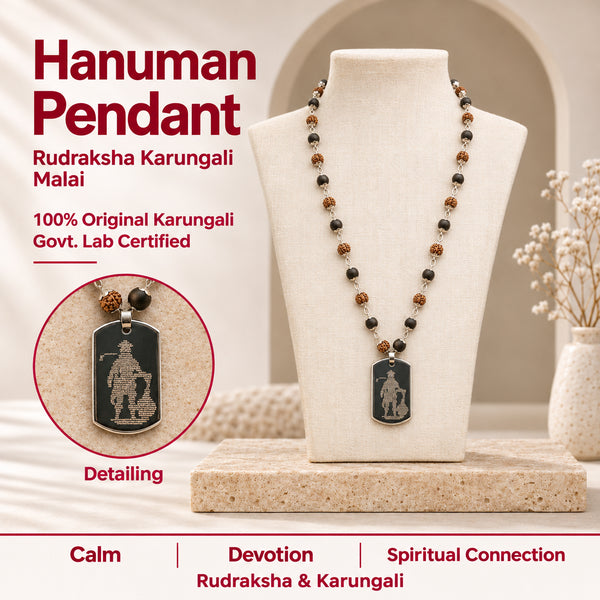
- Karungali, Tulsi, silver caps, Shiv, Hanuman and Vel pendants
- Collection size
- 42 products
What is Rudraksha?
Rudraksha is the dried seed of the Rudraksha tree. The name joins Rudra, a name of Lord Shiva, and aksha, often read as eye. Hindu tradition links the bead with Shiva, and many devotees chant Om Namah Shivaya on a Rudraksha mala.
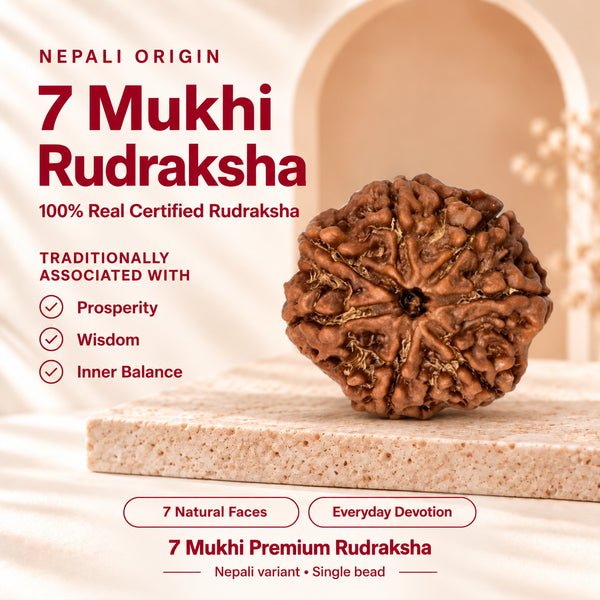
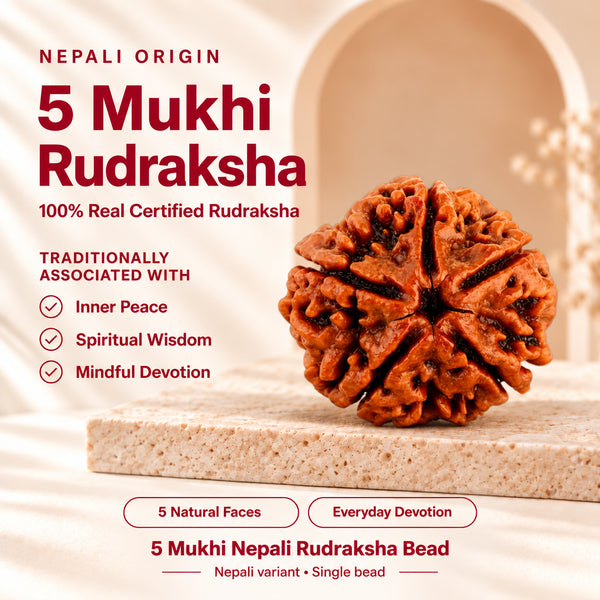
Each bead has natural lines called mukhi, or faces. The mukhi count is a property of the bead. It is different from the number of beads in a mala.
Types of Rudraksha in this collection
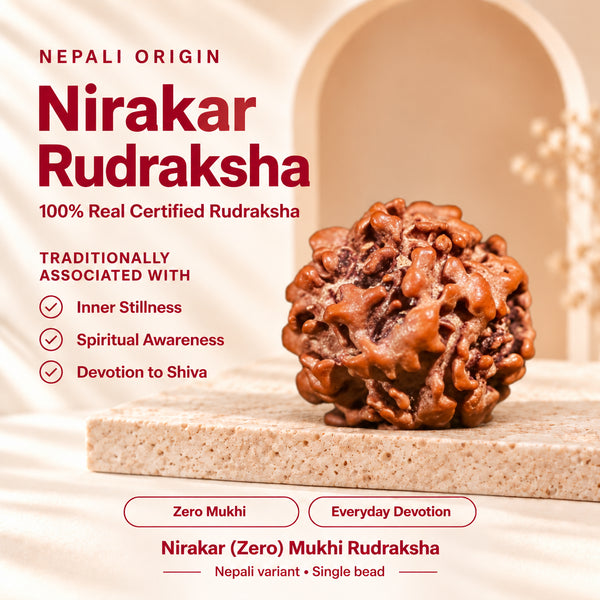
- Single beads, such as the Nirakar (Zero) Mukhi Rudraksha, 7 Mukhi Premium Rudraksha and Ganesh Mukhi Rudraksha.
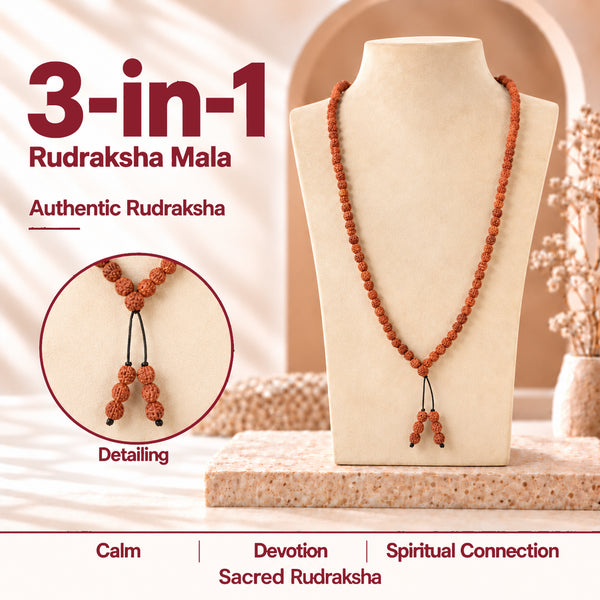
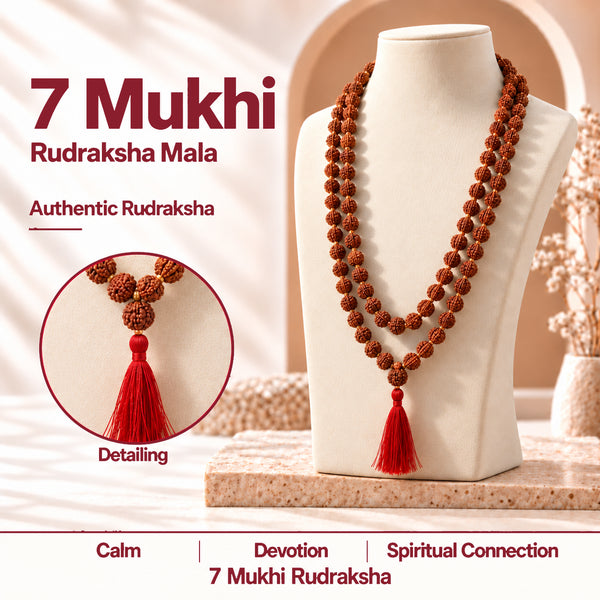
- 108-bead malas, including the Pure Black Rudraksha Mala and the 108-bead 7 Mukhi Rudraksha Mala.
- Kantha malas, such as the 5 Mukhi Rudraksha Kantha Mala (54+1 beads).
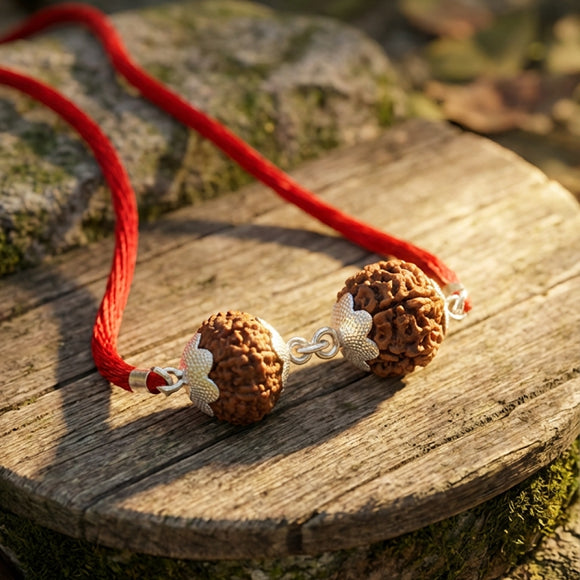
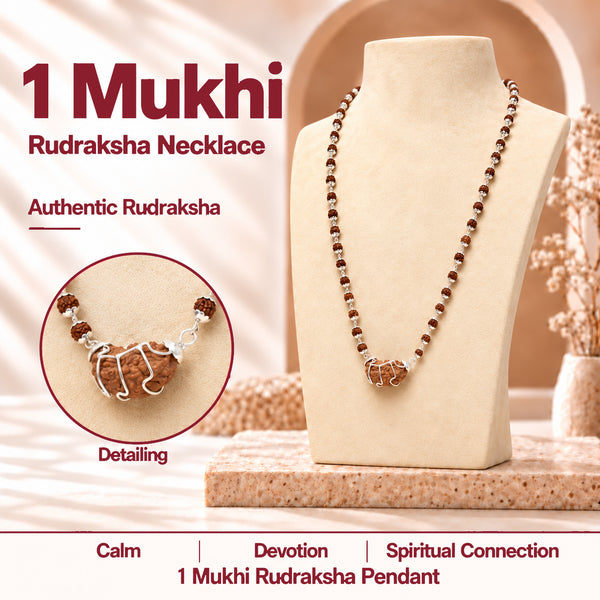
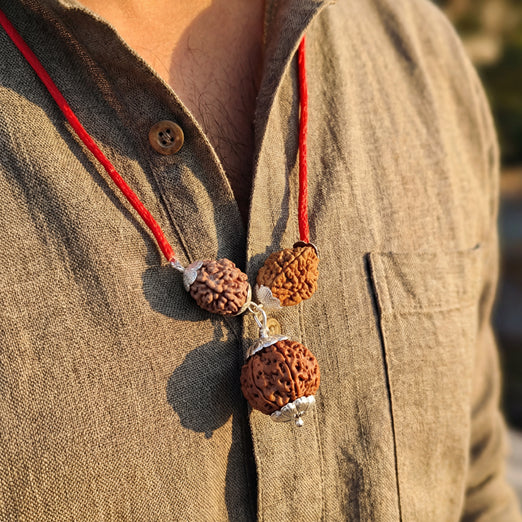
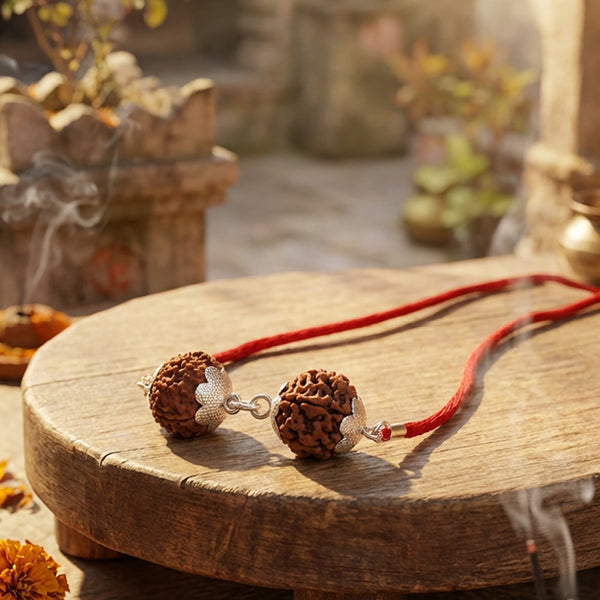
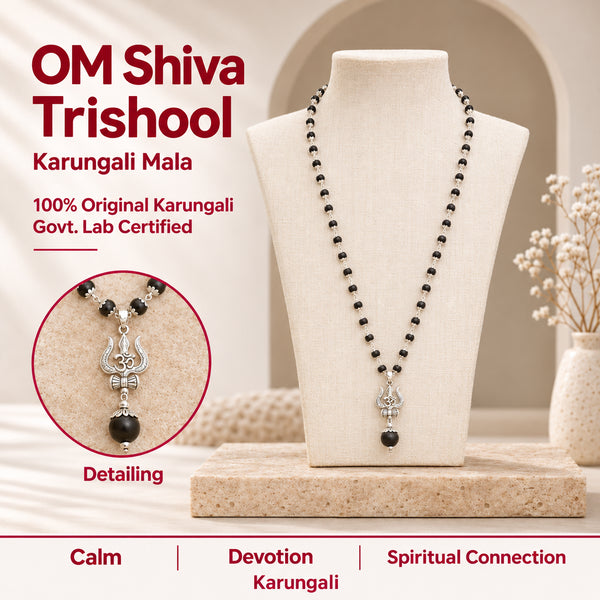
- Pendants, such as the 1 Mukhi Rudraksha Pendant with Silver Cap and the Rudraksha Mala with 12 Jyotirling Shiv Pendant.
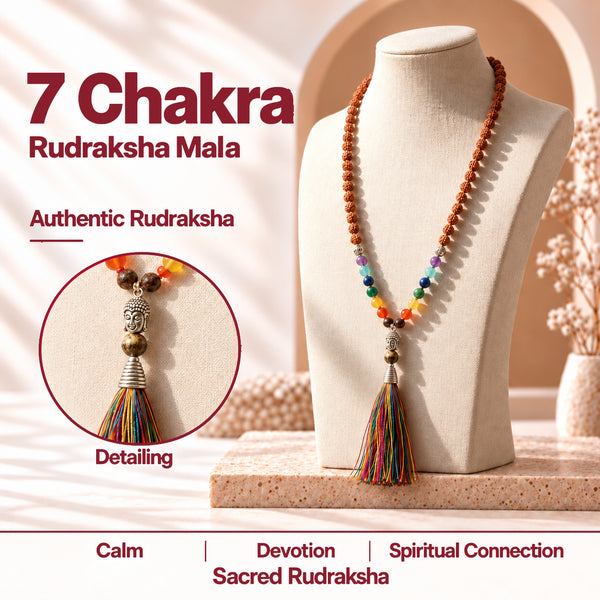
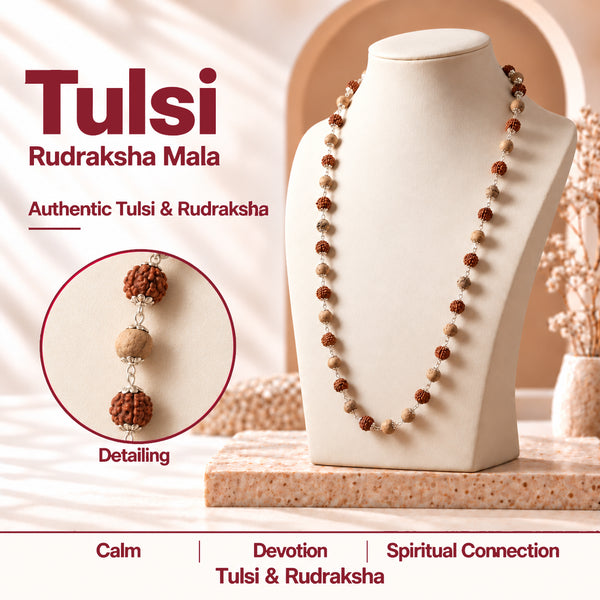
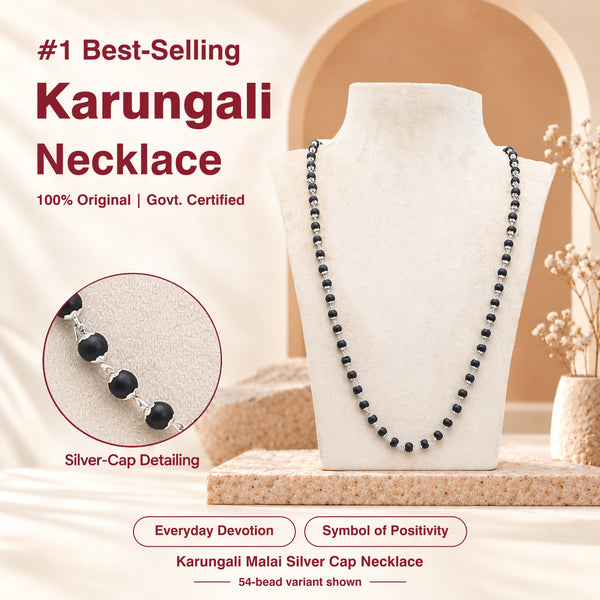
- Mixed malas, such as the Rudraksha, Karungali and Tulsi Mala with Silver Cap.
- Kavach designs, such as the Lakshmi Narayan Kavach and Navgraha Kavach.
For more kavach designs, see Rudraksha kavach.
How to choose a Rudraksha
Decide first how you will use it. Many people keep a single bead in the puja room or wear it as a pendant. A 108-bead mala is the usual count for one round of japa. A 54+1 kantha or a capped necklace is often chosen for daily wear.
Then compare the mukhi, origin, bead size and cap finish on the listing. If a family priest or guru has suggested a particular mukhi, look for that name.
Wearing and caring for Rudraksha
Many devotees first wear a new Rudraksha on a Monday, after a bath and a short prayer. Monday is associated with Lord Shiva. Customs differ, so follow your family tradition or your guru's guidance.
Rudraksha is a natural seed. Keep it away from soap, perfume and harsh chemicals, and let it dry fully if it gets wet. Wipe it with a soft, dry cloth. Some devotees apply a little oil from time to time.
Buying Rudraksha online
When you buy Rudraksha online, read the listing as closely as the photos. Natural beads vary in shape, colour and surface, so no two look exactly alike.
Some listings state a certificate. The 5 Mukhi Rudraksha Kantha Mala is listed as natural and lab-certified. A certificate describes the item it was issued for, so match it to the exact product you order.
Frequently asked questions
What are the Rudraksha benefits in Hindu tradition?
Can women wear Rudraksha?
How do I know if a Rudraksha is real and original?
What is the Rudraksha price?
Is there a Rudraksha mantra?
Where can I see more Rudraksha designs?
Related pages
- Rudraksha Mala, Beads, Necklaces and Bracelets
- Single Rudraksha Bead by Mukhi, Origin and Size
- Rudraksha Bracelet Designs for Men and Women
- Rudraksha Pendants: 1 Mukhi, Adiyogi and Karungali Malai Designs
- Rudraksha Chain and Necklace Designs for Men and Women
- Rudraksha Kavach Designs by Deity and Intention
- Nepali Rudraksha Beads, Malas and Necklaces
- Rudraksha Combo Sets for Japa, Wearing and Gifting
Updated on 20 October 2026

Top picks for you
 6mm
 8mm
 Small 7*7 inch


