 Cow Shelter/Donation

How to Cleanse & Charge Your Crystals (5 Easy Ways)
June 05, 2026
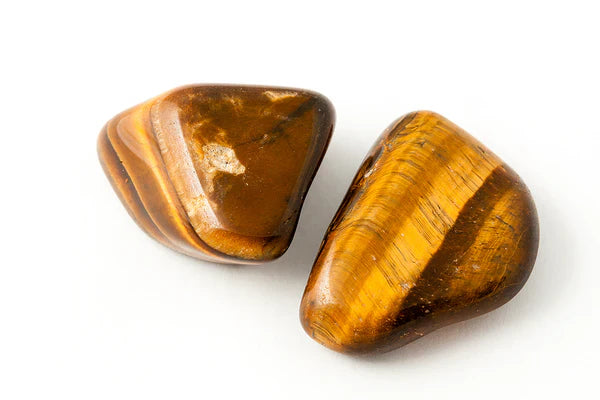
Crystals are believed to absorb energy over time, so regular cleansing keeps them working at their best. The method you choose, though, should be decided by what the stone is made of — water ruins some crystals, sunlight fades others, and salt damages more than most people realise. This guide sorts the methods by material so you never have to guess.
The Divine Hindu App is here.
Chat free with top astrologers for your first 5 minutes every week, generate your Kundli, book temple Puja & Chadhava, and check today's Panchang — all in one app.
(New to crystals? Start with our healing crystal bracelets guide. Cleaning a strung bracelet rather than a loose stone? See how to cleanse and care for a crystal bracelet.)
Why Cleanse Crystals?
Through daily wear, crystals are thought to take on stagnant or negative energy. Cleansing resets and recharges them so they can support your intention again. Cleanse a new crystal before first use, then regularly (every 1–2 weeks or after heavy use).
Start with the material, not the method
Almost every crystal that gets damaged is damaged by a method that was fine for a different stone. Three physical properties decide what is safe: hardness (softer stones scratch and dissolve), porosity (porous stones absorb liquid and stain), and iron or copper content (these oxidise, which is to say they rust or corrode). A rough working rule used widely in crystal care is that anything below about 5 on the Mohs hardness scale should be kept away from water, and anything with a metallic sheen should be kept away from it absolutely.

The safety matrix
| Stone group | Examples | Water | Direct sun | Safe methods |
|---|---|---|---|---|
| Hard quartz family | Clear quartz, agate, jasper, carnelian, tiger's eye | Brief rinse is fine | Fine briefly | Any method |
| Colour-sensitive quartz | Amethyst, rose quartz, citrine, smoky quartz | Brief rinse is fine | Avoid — colour fades | Sound, smoke, moonlight, selenite |
| Water-soluble | Selenite, halite | Never — dissolves | Fine | Sound, smoke, moonlight, intention |
| Metallic / iron-bearing | Pyrite, hematite, magnetite | Never — rusts | Fine | Sound, smoke, moonlight, intention |
| Soft and copper-bearing | Malachite, azurite | Never — softens and degrades | Avoid | Sound, smoke, moonlight |
| Porous | Turquoise, lava stone, howlite, chrysocolla | Avoid — absorbs and stains | Avoid for turquoise | Sound, smoke, dry selenite |
| Soft and fragile | Fluorite, kunzite, moonstone, opal, apatite | Avoid | Avoid — colour fades | Sound, smoke, moonlight |
The old shortcut about avoiding "-ite" stones is a rough approximation of this table — it catches selenite, malachite, hematite and fluorite, but it also wrongly excludes plenty of safe stones and wrongly includes turquoise, which is not an "-ite" at all. The properties are the real rule.
The five methods, and what each is safe for

1. Sound
Use a bell, singing bowl, or even a clap. Sound vibrations clear stagnant energy — safe for every stone without exception, because nothing touches the crystal. This is the default answer whenever you are unsure what a stone is.
2. Smoke (Sage / Incense / Dhoop)
Pass the crystal through the smoke of sage, palo santo, or incense for 20–30 seconds. Quick and safe for all stones. Keep porous stones a little further from the source, since they can hold the scent.
3. Moonlight
Leave crystals out overnight under the full moon to recharge gently. Safe for almost all crystals. The one caution is practical rather than mineral: bring them in before the morning sun reaches them, or a colour-sensitive stone left on a windowsill quietly fades over months.
4. Selenite Plate
Place crystals on a selenite charging plate for a few hours. Selenite cleanses other stones and never needs cleansing itself. It is dry, contact-based and safe for everything — just remember the plate itself must never be washed, since selenite dissolves in water. → Raw Selenite plates
5. Intention & Breath
Hold the crystal, take a deep breath, and consciously set a clear intention. Simple, always available, and safe for any material.
Water: the real rule
Water is fine for the hard quartz family and risky for almost everything else. Where a stone is water-safe, keep it brief — a short rinse under running water, then dried immediately with a soft cloth. Prolonged soaking works loose the glue in any assembled piece and gets into drill holes, where it stays. Never use hot water on any crystal: thermal shock cracks stones that are otherwise perfectly hard.
Sunlight: which stones fade
Sunlight is a charging method with a real cost. Amethyst, rose quartz, citrine, fluorite, kunzite and most vividly coloured stones lose colour with repeated sun exposure, and the loss is permanent. If you like sun charging, keep it to the first hour after sunrise and use it on colourless or dark stones. For everything else, moonlight does the same job without the risk.
Salt: riskier than it looks
Salt is the method most often recommended and the one that causes the most damage. Dry salt is abrasive and scratches anything softer than it; damp salt draws moisture into porous stones; and salt water attacks metallic stones and any silver setting. If you want to use salt at all, put the crystal in a small dish beside the salt rather than buried in it, and keep polished or set pieces out of it entirely.
How to Charge (Re-energise)
After cleansing, "charge" the crystal by leaving it in moonlight, on selenite, or simply holding it and setting your intention. Many keep crystals in their prayer or pooja space to stay energised, which is the gentlest option of all since nothing is applied to the stone.
Start With Genuine, Energised Crystals
Cleansing works best on real stones — and dyed or reconstituted pieces are exactly the ones that bleed colour the first time they meet water. Every crystal at Divine Hindu is genuine and arrives energised, with free shipping across India.
Frequently Asked Questions
Which crystals should never go in water?
Selenite dissolves, pyrite and hematite rust, malachite and azurite degrade, and porous stones such as turquoise, lava stone and howlite absorb and stain. Softer stones including fluorite, moonstone and opal are also best kept dry. Where a stone is water-safe, keep the rinse brief and never use hot water.
How do I know if a crystal is safe for water?
Three properties decide it: hardness, porosity and metal content. A widely used working rule is that anything below about 5 on the Mohs scale should be kept dry, anything with a metallic sheen should be kept away from water entirely, and anything porous will absorb whatever it is put in. If you do not know what the stone is, use sound or smoke.
Which crystals fade in sunlight?
Amethyst, rose quartz, citrine, fluorite, kunzite and most vividly coloured stones lose colour with repeated sun exposure, and the fading is permanent. Moonlight achieves the same charging without that risk.
Is salt safe for cleansing crystals?
Less often than it is recommended. Dry salt scratches anything softer than itself, damp salt draws moisture into porous stones, and salt water attacks metallic stones and silver settings. If you use salt, place the crystal in a dish beside it rather than buried in it, and keep polished or set pieces out of it.
How often should I cleanse crystals?
Every one to two weeks is a common rhythm, and always before first use or after a heavy or stressful period. Sound and smoke are safe for every material, so they can be used as often as you like.


