 Cow Shelter/Donation

Brass vs Resin vs Karungali Idols: Which to Choose
June 05, 2026
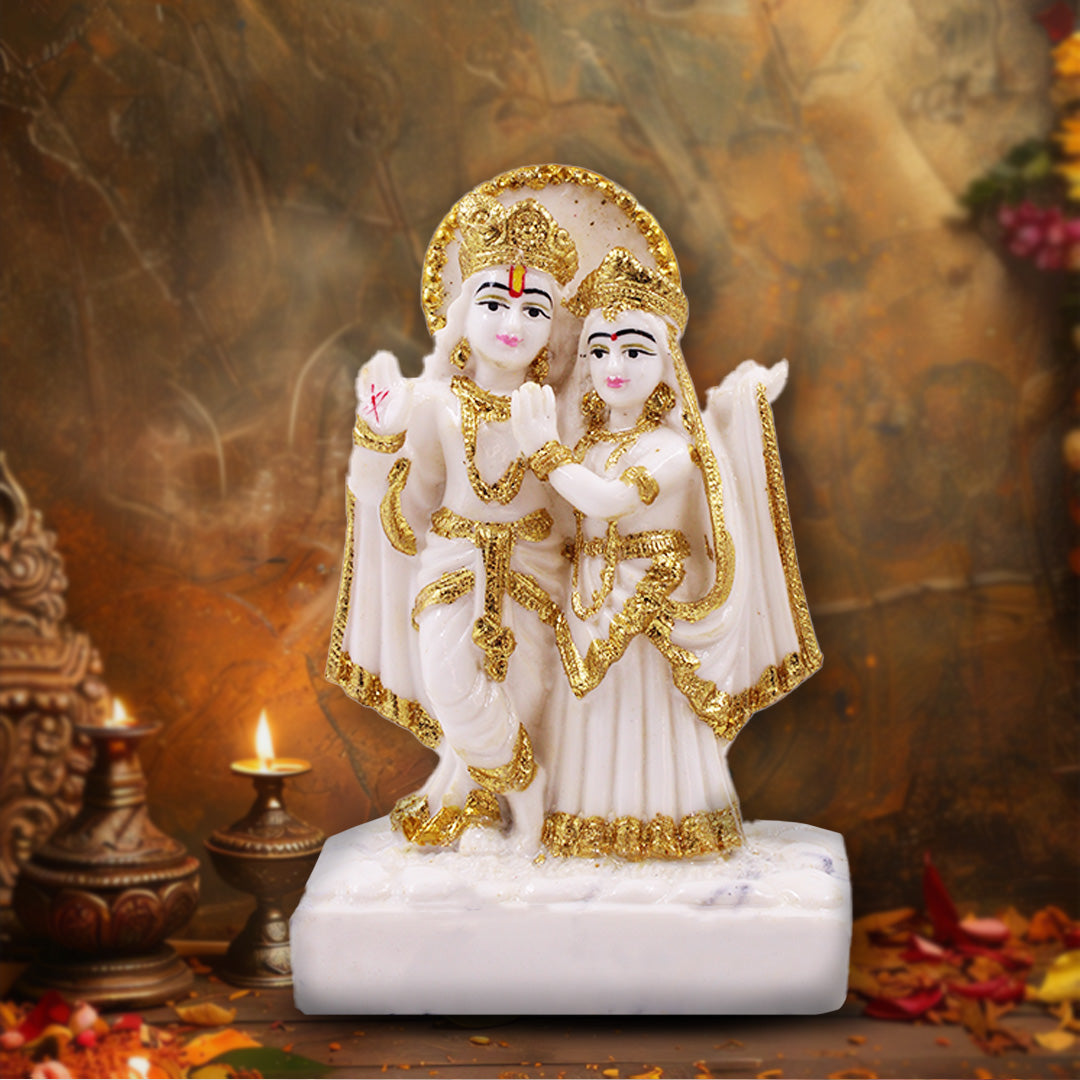
Choosing an idol isn't just about the deity — the material matters too. This guide compares brass, resin and Karungali (ebony wood) idols for the places most idols actually end up: a gift, a car dashboard, an office desk, a travel bag, a small second shrine. If you are choosing the main murti for your home mandir — where ritual suitability, heirloom durability and consecration matter more than weight and price — that decision is covered in our brass vs panchaloha vs marble comparison instead.
The Divine Hindu App is here.
Chat free with top astrologers for your first 5 minutes every week, generate your Kundli, book temple Puja & Chadhava, and check today's Panchang — all in one app.
(New here? See our Hindu idols home temple guide.)
Quick Comparison
| Brass | Resin | Karungali (Ebony Wood) | |
|---|---|---|---|
| Look | Traditional, golden, premium | Detailed, lightweight, modern | Natural, dark, sacred |
| Weight | Heavy for its size | Very light | Dense but small in the sizes usually made |
| Travels well? | Yes, but adds real weight | Best in class | Yes — hard-wearing and unbreakable in normal handling |
| Best for | Gifting, a second shrine, an office | Car dashboard, desk, bulk gifting | Protection, South Indian devotion, a personal piece |
| Fails by | Tarnishing if never polished | Chipping and fading in sun | Drying out if never oiled |
| Price | Higher | Affordable | Mid–premium |
Choosing an Idol as a Gift
An idol is one of the more thoughtful gifts you can give and one of the easier ones to get slightly wrong. A few things worth weighing:
- Give a deity the recipient already worships where you know it. Where you do not, Ganesha and Lakshmi are the safest choices for a housewarming, a new business or Diwali.
- Give it new and unblemished. Tradition treats a gifted murti as something that should arrive unused and undamaged, so check the piece for chips before wrapping it.
- Match the material to their practice. If the recipient performs daily abhishekam with milk or water, give brass rather than resin — resin is not intended for liquid offerings. If the idol is going on a shelf or a desk, resin's detail and light weight are an advantage.
- Think about where it will sit. A heavy brass piece needs a stable surface. In a small flat or a rented office, a lighter idol is genuinely kinder.
- For gifting several at once — staff, guests, a function — resin keeps the cost and the courier weight sensible without looking cheap.
The Car Dashboard and the Office Desk
These two spots have a requirement the mandir does not: the idol has to survive movement. For a car, choose resin or a small pocket idol, and fix it down properly. This is not only about the finish — a heavy brass murti loose on a dashboard becomes a projectile under hard braking, which is reason enough on its own. Keep it out of the windscreen's direct sun where you can, since strong sunlight fades painted resin over a season or two.

For a desk, weight matters less and knocks matter more. Brass shrugs off being nudged; resin chips at fine details like a flute, a trunk or a raised hand. If the desk is shared or crowded, brass is the more forgiving choice.
Karungali: When the Material Is the Point
Karungali is the one material here chosen for what it is rather than for what it costs or weighs. The dense black ebony heartwood is revered in South Indian tradition and associated with protection and grounding, which is why it is the usual choice for Murugan and for a piece meant to be personal rather than displayed. It is also genuinely tough — it does not shatter, dent or tarnish, so it travels well and lasts. (See: Karungali Idols & Significance.)

Durability: What Actually Fails
Each material has one predictable weakness, and knowing it tells you where to keep the piece.
- Brass darkens and tarnishes if it is never cleaned, and kumkum or wet offerings left on the surface overnight leave marks. It does not break. A neglected brass idol is recoverable; that is its real advantage.
- Resin chips at thin projecting details and fades in prolonged direct sunlight. A chip cannot be polished out, which is why resin is best where it will not be handled constantly.
- Karungali dries out if it is kept in heat and never oiled, which dulls the finish. A light oiling restores it. Chemicals and prolonged water are what to avoid.
Care by Material
- Brass: dust, wipe, and polish occasionally.
- Resin: wipe with a soft dry cloth; avoid hard knocks and direct sun.
- Karungali: keep dry, avoid chemicals, oil lightly to preserve the finish.
Whatever you choose, every idol at Divine Hindu is crafted with care and energised, with free shipping across India.
Frequently Asked Questions
Which idol material is best for gifting?
Match it to how the recipient will use it. Brass suits someone who performs daily abhishekam and wants a lasting piece, while resin is light, detailed and affordable, which makes it practical for a desk, a shelf or gifting several at once. Whichever you choose, give the idol new and free of chips, and prefer a deity the recipient already worships.
Which idol is best for the car?
A lightweight resin or pocket idol, fixed down securely. Besides the finish, a heavy brass murti left loose on a dashboard can become a projectile under hard braking. Keep it out of the windscreen's direct sun, which fades painted resin over time.
Are resin idols suitable for daily puja?
They are fine for a desk, a car or a shelf where the worship is darshan and a lamp. Resin is not intended for liquid abhishekam, so if milk or water offerings are part of the daily practice, brass is the appropriate choice.
What's special about Karungali idols?
Karungali (ebony wood) idols are chosen for the material itself. The dense black heartwood is revered in South Indian tradition and associated with protection and grounding, and it is especially significant for deities such as Murugan. It is also hard-wearing, so it neither shatters nor tarnishes.
Which material should I choose for my main home mandir?
That is a different decision, weighed on ritual suitability and heirloom durability rather than weight and price, and it is covered in our separate comparison of brass, panchaloha and marble idols.


